
Waipara Valley has roughly a dozen cellar doors scattered along the highway and up into the limestone hills, and a surprising number of them serve food. The quality, though, covers a wide range — from genuinely excellent vineyard restaurants where the kitchen takes itself as seriously as the winemaker does, through to platters that are basically an excuse to keep you at the tasting bench a bit longer. This is a guide to what is actually worth eating, what is worth booking, and what you should know before you drive up from Christchurch with an empty stomach and high expectations.
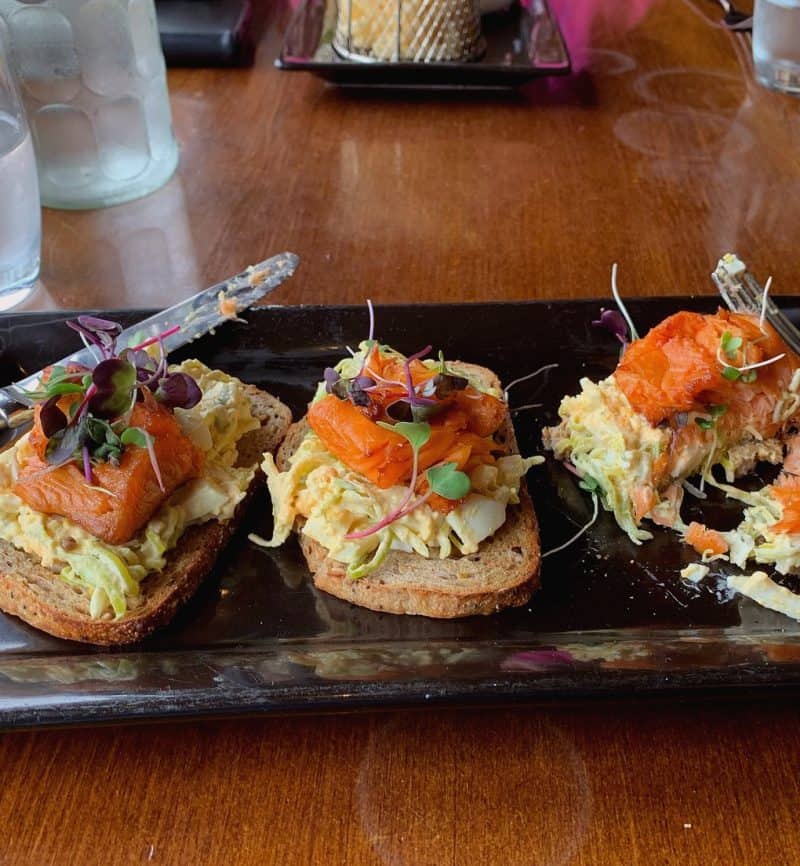
Black Estate sits on the Omihi hillside above the valley floor, and the restaurant occupies a glass-walled building that looks out over the vines toward the distant ranges. It is, by any honest measure, the best place to eat in Waipara. The kitchen runs a seasonal menu that changes often enough to reward repeat visits — a spring lunch might open with pickled vegetables from the garden and close with a rhubarb dessert that tastes like the season turning. The food is not complicated. It does not need to be. What makes it work is the sourcing: biodynamic vegetables grown on the property, local meat, and a genuine connection between what is on the plate and where you are sitting.
The wine list is obviously their own, which could feel limiting but does not. Black Estate makes enough variety — Pinot Noir, Chardonnay, Riesling, a Pet Nat if you are lucky with timing — that the pairing works naturally. A three-course lunch with a glass or two will cost around eighty to ninety dollars a head. That is not cheap, but it is significantly less than comparable vineyard restaurants in Hawke’s Bay or Central Otago, and the quality is honest. Book ahead for weekends. Midweek, you will often get a table without trouble, and the experience is arguably better for the quiet.
Greystone has positioned itself as a serious dining option in recent years, and the kitchen delivers on the ambition. Their tasting menus lean into Canterbury produce with real confidence — lamb from the high country, fish from Kaikoura, vegetables treated with the kind of care that suggests the chef actually likes them. The setting, in a modern cellar door building with vineyard views, feels polished without being stiff. It is the kind of place where you dress slightly better than your usual winery visit without feeling overdressed.
Muddy Water is a different proposition entirely. The food is simpler — think substantial platters, hearty salads, and the occasional seasonal special — but the setting has a warmth that compensates. The cellar door is smaller, the atmosphere more personal, and the wines are interesting enough to anchor a good lunch even if the food is not trying to win awards. A shared platter and two or three tasting pours makes for a relaxed hour that costs about half what Greystone charges. If you are visiting three or four wineries in a day and want lunch at one of them without turning it into a two-hour event, Muddy Water is the practical choice. Greystone is the one you plan a day around.
Most Waipara cellar doors offer some version of a cheese and charcuterie platter, and the quality varies more than you might expect. The best versions use Canterbury cheeses — Barrys Bay cheddar, something from Talbot Forest, maybe a blue from Whitestone — paired with local charcuterie, good bread, and seasonal fruit. These platters justify their thirty-five to forty-five dollar price tag because someone has actually thought about the selection.
The less inspired versions are a different story. Bought-in crackers, supermarket-grade cheese sliced that morning, a few grapes, and a pot of chutney that has been open since Tuesday. You are paying for the view and the convenience, which is fair enough, but you should know what you are getting. The platter is not lunch — it is something to slow down the wine tasting. If you are genuinely hungry, order it alongside something else or accept that you will be stopping again later. A general rule: if the cellar door has a proper kitchen, the platter will be better. If the platter is the only food option, temper your expectations accordingly.
Pegasus Bay has been the default Waipara restaurant recommendation for years, and the reputation is not unearned. The kitchen is consistent, the wine list is deep — they hold back library releases that you will not find anywhere else — and the garden setting is genuinely beautiful in summer. A long lunch at Pegasus Bay on a warm Saturday, with the shade of the trees and a bottle of their Aged Riesling, is one of the better ways to spend an afternoon in Canterbury.
That said, it is worth being honest about what has happened over time. The menu has become predictable in the way that successful restaurants often do — reliable rather than exciting. The lamb will be excellent. The salads will be fresh. Nothing will surprise you. For first-time visitors, this is still an easy recommendation. For regulars, there is a slight sense of having eaten this meal before. The other reality is the crowds. Weekend lunch at Pegasus Bay, especially in summer, can feel like a popular cafe rather than a vineyard restaurant. The tables are close together, the noise level rises, and the unhurried quality that makes vineyard dining appealing gets compressed. Book for a weekday if you can. The Saturday experience and the Wednesday experience are almost different restaurants.
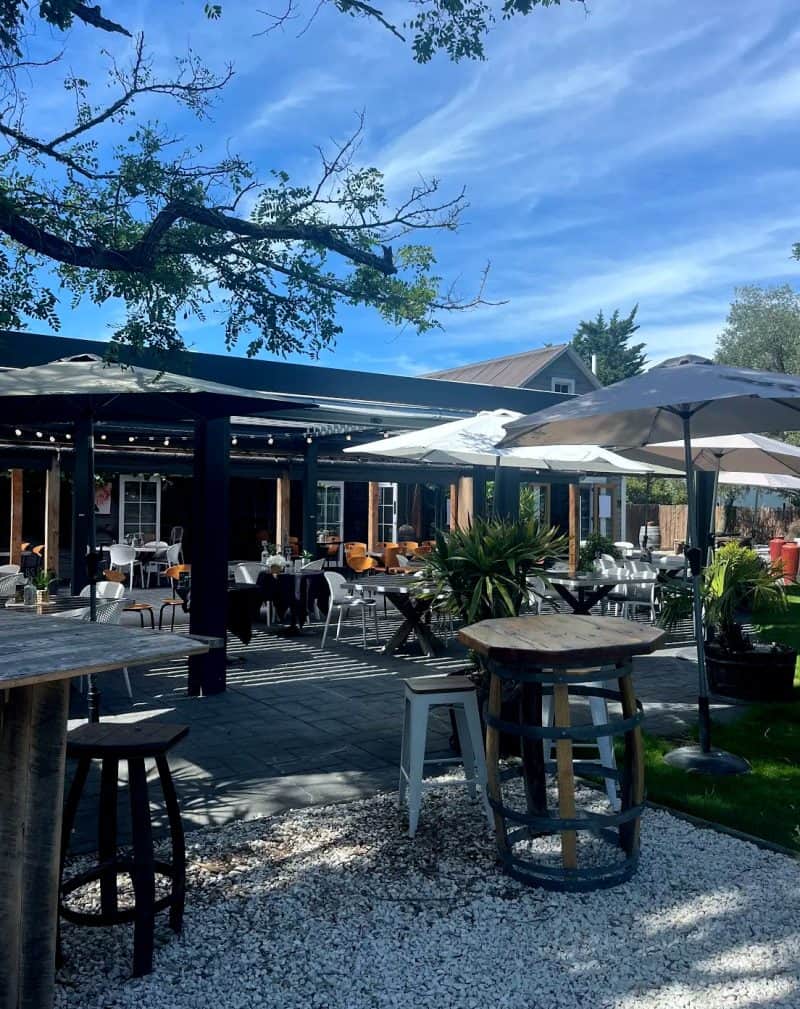
Waipara township is small — genuinely small, in the way that Canterbury rural townships are — and the eating options reflect that. There is a cafe or two that serves the local farming community and the highway travellers passing through, and the food is what you would expect: toasted sandwiches, cabinet food, a reasonable flat white. It is functional rather than exciting, and there is nothing wrong with that if you need a coffee between winery visits or want something quick before heading back to Christchurch.
What the township does not have is a restaurant worth making a special trip for. There is no hidden gem tucked behind the main road, no chef who quietly moved to the country and opened something remarkable. The wine industry has pulled the culinary gravity toward the cellar doors themselves, and the township has stayed practical. If you are staying overnight in the valley — and there are a few accommodation options that make this possible — dinner planning requires either eating at one of the winery restaurants that does evening service or driving out of the valley entirely. This is worth knowing before you arrive.
Amberley sits about ten minutes south of Waipara on State Highway 1, and it offers what the valley itself does not: variety. The township has grown steadily and now has a genuine selection of cafes, a bakery worth stopping for, and a couple of restaurants that would be respectable in any Canterbury town. It is not a food destination, but it is a practical one.
The cafes cluster around the main street and serve the brunch-and-lunch crowd reliably well. If you want a proper cooked breakfast before a day of wine tasting, Amberley is where you eat it — nothing in Waipara itself opens early enough or serves the right food. For lunch, there are options that range from good pub meals to more considered cafe cooking. The Amberley bakery does strong pies and bread, which is worth knowing if you are assembling your own picnic to eat at a winery that does not serve food.
The strategic play is this: eat breakfast in Amberley, spend the morning and early afternoon in the valley visiting cellar doors, and either have lunch at one of the better winery kitchens or head back to Amberley if nothing appeals. It gives you flexibility that the valley alone does not offer.
Black Estate and Greystone both warrant advance booking, especially for weekend lunch between November and March. These are not large restaurants, and Canterbury locals have worked out that they are good, so tables fill. A week ahead is usually sufficient midweek. Two weeks for a Saturday in high summer. Pegasus Bay is harder to predict — they take bookings but also accommodate walk-ins, and whether you get a table depends on timing and luck.
Most other cellar door food — platters, cafe-style lunches — operates on a walk-in basis and rarely turns people away. The exception is long weekends and public holidays, when Waipara gets noticeably busier with Christchurch families driving up for the day. Easter and Canterbury Anniversary Weekend are the peak times.
A useful habit: check the winery’s website or social media the morning of your visit. Hours change without much warning in this region, particularly at smaller cellar doors. A kitchen that was open every weekend last month might close for a private event or simply because the chef is on holiday. This is rural Canterbury, not a hospitality district. The flexibility is part of the character, but it can catch you out if you arrive hungry with no backup plan.
The Waipara food scene contracts significantly between May and September. Black Estate keeps its restaurant running through winter with reduced hours — typically Thursday to Sunday — and the cooking shifts toward heartier, warmer dishes that suit the season. Greystone and Pegasus Bay maintain some form of winter service, though weekend-only is common, and bookings become even more important because fewer seats are available.
The smaller cellar doors often close their kitchens entirely over winter or reduce to weekends only with limited menus. Some drop food service altogether and offer tastings only. This is not a criticism — it reflects the reality of running a small kitchen in a region where visitor numbers drop sharply once the weather turns. Canterbury winters are not harsh by South Island standards, but they are grey and cool enough that a casual vineyard lunch loses its appeal.
The compensation is that winter tasting is genuinely better, as North Canterbury Wine Region notes. The cellar doors are quieter, the staff have more time, and the new vintage wines are often being released. If you are a serious taster rather than a casual visitor, the off-season is when Waipara shows its hand most honestly. Just eat before you arrive, or plan your one restaurant stop carefully, because the options narrow to two or three kitchens at most.
The best eating in Waipara comes from the vineyards themselves, which makes sense — they have the setting, the wine list, and the incentive to give you a reason to stay longer. Black Estate and Greystone set the standard. Pegasus Bay delivers reliability. Everything else is somewhere between pleasant and functional. The key is knowing what to expect before you arrive, because Waipara is not a place where you can wander and stumble into options. Plan one good meal, bring flexibility for the rest, and remember that the wine is the reason you are here. The food, at its best, is a very good bonus.
Sophie Renwick
Wine Adventure
Leave a comment