
Waipara Valley is fifty minutes north of Christchurch and roughly a lifetime away from anything urgent. Most visitors try to do it in an afternoon — a cellar door here, a quick tasting there, back on the motorway before dark. They miss the point entirely. A weekend in wine country is not a checklist. It is a pace, and getting that pace right is the difference between coming home tired and coming home converted.
The drive from Christchurch takes about fifty minutes if the motorway behaves, which it usually does heading north on a Friday. You cross the Waipara River bridge, the hills open up on both sides, and something shifts. Not dramatically — you are not entering Narnia — but the plains flatten out behind you and the valley starts to feel like a destination rather than a thoroughfare.
Most people treat Waipara as a Saturday morning proposition. They wake up in Christchurch, have breakfast, faff about packing the car, and arrive at their first cellar door around eleven feeling slightly behind schedule. By two in the afternoon they have crammed in three tastings, eaten a late lunch, and spent more time driving between vineyards than actually sitting with a glass.
Arriving on Friday changes the arithmetic entirely. You check in, open something you brought or pick up a bottle from whoever is closest, and let the evening settle around you. No agenda, no tasting notes, no trying to fit one more stop in before closing. The weekend starts when you stop driving, and the earlier that happens, the better the next two days feel.
The accommodation question sorts itself once you decide what kind of weekend you want. Staying in Amberley puts you ten minutes from the valley with a small town’s worth of morning coffee options and a supermarket for provisions. Staying in the valley itself — the cottages around Omihi, the handful of places along Omihi Road or Georges Road — means you wake up in the vineyards and can walk to at least one cellar door without starting the car.
Book early for autumn weekends, particularly March and April when the vines are turning and half of Christchurch has the same idea. There is a particular frustration reserved for people who discover that Waipara accommodation fills weeks out, not days. The region is small and the beds are finite.
One thing worth knowing: a surprising number of Waipara bookings come from people who could not get into Hanmer Springs. They end up here by default and leave wondering why they ever drove the extra hour north. That is flattering for the valley but it means weekend availability can be unpredictable, tied to Hanmer’s calendar as much as Waipara’s own.
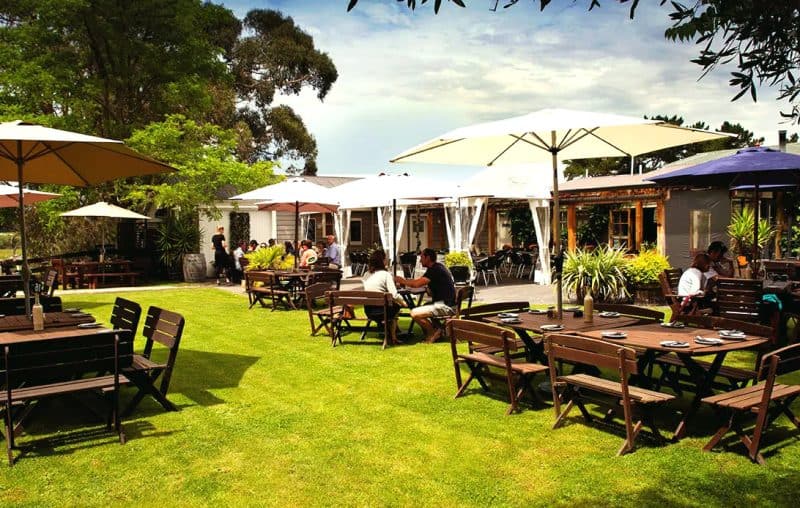
Cellar doors do not open at dawn. Most will not pour before ten, and some wait until eleven, which leaves you with a perfectly good Saturday morning and nothing scheduled. This is not a problem. This is the bakery window.
Amberley is five minutes off the main road and has the kind of bakery situation that justifies a detour even if you are not heading to wine country. The pies are the thing — proper pies, not the service station variety — and the coffee has improved markedly in recent years. Sit outside if the nor’wester is not blowing and watch the town do its Saturday morning routine.
Fifteen minutes of wandering Amberley on foot is enough. It is a small town with a long main street, a few shops worth peering into, and the particular quiet of a place that exists for its own reasons rather than for tourists. The point is not to sightsee. The point is to set the pace for the day: slow, observant, well-fed. You cannot rush a wine weekend, and the surest way to ruin one is to start Saturday morning in a hurry.
Here is the rule that separates a good Waipara weekend from an exhausting one: two cellar doors before lunch, and then stop. Your palate is sharpest in the morning. The wines taste more distinct, the differences between a Riesling and a Pinot Gris actually register, and you can hold a conversation with the person pouring without that glazed look that arrives after tasting number four.
Pegasus Bay is the obvious first stop for a reason — the grounds are beautiful, the range is broad, and the restaurant means you can transition straight from tasting to lunch without getting back in the car. But if you have been before, consider starting at Black Estate instead. The tasting room sits above the vineyard with a view that earns the word panoramic, and their wines reward attention. The Pinot Noir is serious without being solemn.
For a second stop, drive north to Greystone or Muddy Water — both are on Omihi Road and both make wines that taste like the valley. Greystone’s cellar door is in a building that looks like it grew out of the hillside, which is not far from the truth given the limestone underneath. Keep the geography tight. Saturday morning is not the time for a tour of every producer in North Canterbury.
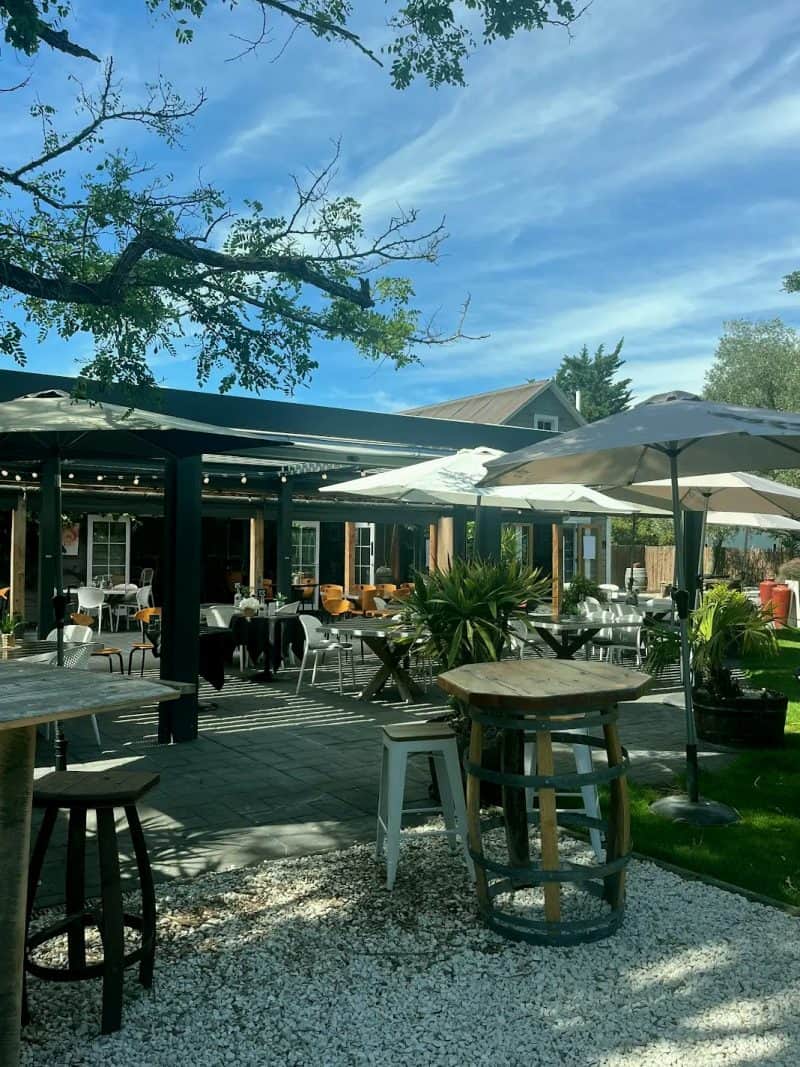
By early afternoon you have tasted enough wine and eaten enough lunch to need something that is not another cellar door. The Waipara River walk is the answer most visitors never find because nobody markets it and there are no signs worth mentioning.
The limestone formations above the valley are genuinely remarkable — not in a cathedral-cave way, but in the quiet way that geology becomes interesting when you realise you have been drinking it all morning. The same calcium-rich soils that make Waipara Riesling taste the way it does are visible here as pale outcrops and eroded bluffs. The limestone geology of North Canterbury has shaped both the landscape and the wine, and seeing it up close connects the two in a way that no amount of terroir talk at a cellar door quite manages.
The walk itself is not demanding. An hour at an easy pace along the river and back, with the option to scramble up to the formations if you want a better look. The afternoon light catches the limestone and turns it almost golden, which sounds like the kind of thing you say to justify a walk but is genuinely worth seeing. Bring a water bottle. Leave the tasting notes in the car.
Dinner in Waipara requires managing expectations, and that is not a criticism. This is a wine valley, not a restaurant district. Your options are real but limited, and knowing that in advance prevents the six o’clock scramble of discovering everywhere is booked or closed.
The vineyard restaurants are the top tier. Pegasus Bay’s restaurant has been the valley’s best dining for years and earns the booking. Black Estate’s kitchen does something more modern, seasonal and sharp, with the kind of menu that changes often enough to reward return visits. Both need a reservation on Saturday night — book when you book your accommodation, not the day before.
If you have missed the restaurant window, or if you prefer something less structured, Amberley has a few solid options and the drive is short. But the plan B that nobody talks about is cooking at your accommodation with the wine you bought that afternoon. A cheese board, good bread, three bottles open on the bench, and nowhere to be. It sounds like a concession. It is actually the best meal of the weekend.
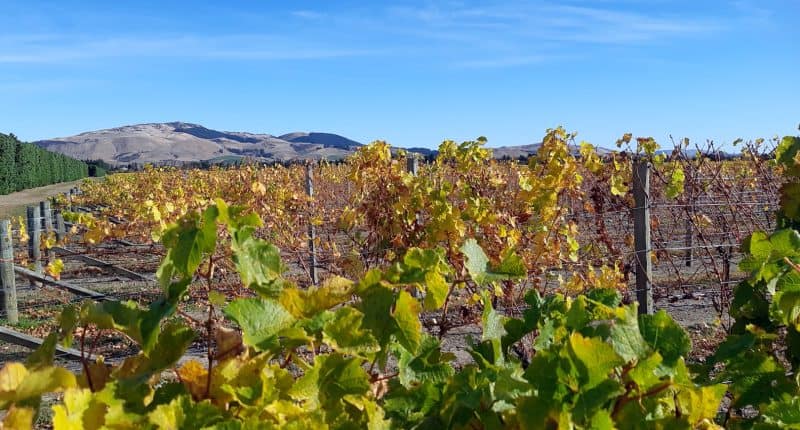
Sunday should not repeat Saturday. If you visited the established names yesterday, today is for the producers you have to look for — the ones without road signage or a gift shop, where the person pouring made the wine and wants to talk about it.
Bone Line is worth seeking out for wines that sit outside the usual Waipara categories. Terrace Edge does things with Gewurztraminer that would start an argument in Alsace. These are not famous cellar doors and they do not need to be. They are places where a Sunday morning visit turns into an hour-long conversation about fermentation temperatures and root depth, and you leave with bottles you cannot buy in Christchurch.
The pace on day two should be deliberately slower than day one, which is saying something given that day one was already unhurried. One cellar door, maybe two, with proper time between them. Find a place with outdoor seating and morning sun — several of the smaller producers have exactly this — and sit with a glass of something you have never tried before. This is the part of the weekend that sticks.
The direct route back to Christchurch is quick and forgettable. State Highway 1 south, motorway, home. You have done it before. Consider not doing it again.
The inland route through Waikari adds thirty minutes and a different landscape entirely. The road climbs out of the valley into dry hill country that looks nothing like the plains, passes through a township that has a pub and not much else, and eventually drops you back toward the motorway via the Hurunui. It is not a scenic drive in the brochure sense — it is better than that. It is the kind of drive where you notice things because you are not on the same road as everyone else.
Stop at a farmstall if one is open. They are seasonal and unreliable, which is part of their charm. What you want in the boot for the drive home: the bottles you bought, the leftover bread from the bakery, and the quiet certainty that an hour north of Christchurch there is a valley that deserves more weekends than you have been giving it.
Autumn is the obvious answer and the correct one. March through May, the vines turn copper and gold, the light goes soft in the late afternoon, and the valley looks like it was designed for photographs. Harvest activity means some producers are too busy to pour, but the ones who are open are pouring new vintage wines alongside recent releases, which makes for the most interesting tastings of the year.
Spring has a different appeal. October and November bring new growth on the vines, longer evenings, and the first outdoor tastings after winter. New releases start appearing, and the winemakers have time to talk because the busy season has not started yet. It is quieter, which in Waipara means you might have a cellar door to yourself.
Summer weekends get crowded, relatively speaking. The valley is not Queenstown — crowded here means the car park at Pegasus Bay is full and you wait ten minutes for a tasting. Winter is genuine quiet. Some cellar doors close or reduce hours, but those that stay open have a fireplace quality to them. And the nor’wester), Canterbury’s warm dry wind, can turn any season’s tasting day into an unexpectedly hot afternoon. Check the forecast, bring layers, and do not fight the weather.
Nobody wants to have this conversation but everyone needs to. You are spending two days tasting wine in a region where the cellar doors are connected by rural roads and separated by distances that rule out walking between more than two of them.
The most honest approach is alternating days. One person drives Saturday, the other drives Sunday, and the designated driver discovers that cellar doors are interesting even when you are spitting rather than swallowing. Spit buckets are provided everywhere and used almost nowhere, which says something about human nature that the wine industry politely ignores.
There are a handful of private tour operators who will drive you around the valley, and they are worth considering if your group is large enough to split the cost. The alternative — and this works better than it sounds — is to choose accommodation within walking distance of one or two cellar doors and build your tasting days around those anchors, driving only to more distant stops early in the day when the driver has not yet started tasting. It requires planning but not much, and the reward is a weekend where nobody spends Sunday morning calculating units and worrying about the legal drink-drive limit.
The best Waipara weekends are the ones where you run out of time before you run out of things to taste. You will not see everything in two days, and that is precisely the point. The valley rewards return visits the way good wine rewards patience — each time you notice something you missed before, and each time the drive north feels a little more like coming back rather than heading out.
Sophie Renwick
Wine Adventure
Leave a comment