
Somebody, somewhere, started calling North Canterbury the Pet-Nat capital of New Zealand, and the name has followed the region around ever since. It is a useful nickname and a slightly misleading one — because the most interesting thing happening up here is not one style of sparkling wine but two, sitting side by side. Sort out the difference between methode traditionnelle and Pet-Nat and a weekend in Waipara stops being a tasting and starts making sense.

Somewhere along the way, North Canterbury picked up a nickname. Wine writers and the trade started calling it the Pet-Nat capital of New Zealand, and the phrase stuck because it was useful shorthand for something real: a small cluster of producers up here who would rather make wild, lightly sparkling wine than play it safe.
It is worth being honest about what that title is, though. Nobody handed it out. There was no vote, no official ribbon, no Ministry of Bubbles. It is a description that caught on because enough people noticed the same thing at the same time — that if you wanted to taste interesting low-intervention sparkling in this country, you kept ending up in Waipara.
The nickname makes more sense once you look at the dirt. North Canterbury is a cool-climate region, and the fruit that comes off these vineyards holds onto its acidity in a way that warmer regions struggle to match. Grapes ripen slowly here, through long autumns, and they keep a bright spine of natural acid right up to harvest.
That acid is the whole point. Sparkling wine of any kind lives or dies on freshness, and a flat, low-acid base wine makes flabby bubbles no matter how clever the winemaking is. The limestone soils that run through Waipara do not hurt either — growers here talk about limestone the way Central Otago growers talk about schist, as the thing that gives their wine its particular cut. Put the cool nights, the slow ripening, and the limestone together and you have a region that is almost suspiciously well suited to making things fizz.
Here is the part that gets lost in the hype. Pet-Nat is not a flavour, it is a method — and a reputation is not a guarantee. There are dull Pet-Nats and there are brilliant ones, and the label on the front tells you nothing about which is in your glass.
So treat the nickname as an invitation rather than a verdict. The reason North Canterbury is worth the drive is not that someone called it a capital, but that you can taste two genuinely different approaches to sparkling wine within twenty minutes of each other and understand exactly why each one tastes the way it does. The rest of this comes down to two methods. Once you can tell them apart, the whole region opens up.

Methode traditionnelle is the slow, deliberate way to make a wine sparkle, and it is the same method used in Champagne. You start with a finished still wine — the base wine — which on its own is usually lean and a bit austere. Then you bottle it with a small dose of yeast and sugar, seal it up, and let a second fermentation happen inside that sealed bottle.
That trapped fermentation is where the bubbles come from. The carbon dioxide has nowhere to go, so it dissolves into the wine. The bottle then sits on its lees — the spent yeast — for months or years, and that contact is what gives these wines their toasty, bready, faintly biscuity character. At the end, the winemaker freezes the neck, pops out the plug of sediment in a step called disgorgement, tops the bottle up, and corks it for good. It is fiddly, patient work, which is exactly why the results taste the way they do.
The clearest argument for what this method can do in North Canterbury comes from Alan McCorkindale, who has been making traditional-method sparkling here for a long time and built much of his name on it. His Blanc de Blancs — a sparkling made entirely from Chardonnay — is the kind of wine that rewards the patience the method demands, all fine bubble and savoury, leesy depth rather than fruit-forward sweetness.
Koyama works in the same patient register, another Waipara producer who takes the traditional method seriously. What makes both worth seeking out is not a shelf full of trophies — it is that they are doing the genuinely difficult version of sparkling wine in a region better known for its wilder cousin. There is something quietly stubborn about choosing the slow method in the place everyone associates with the fast one, and the wines carry that conviction. Taste them and the contrast with what comes next does half your homework for you.
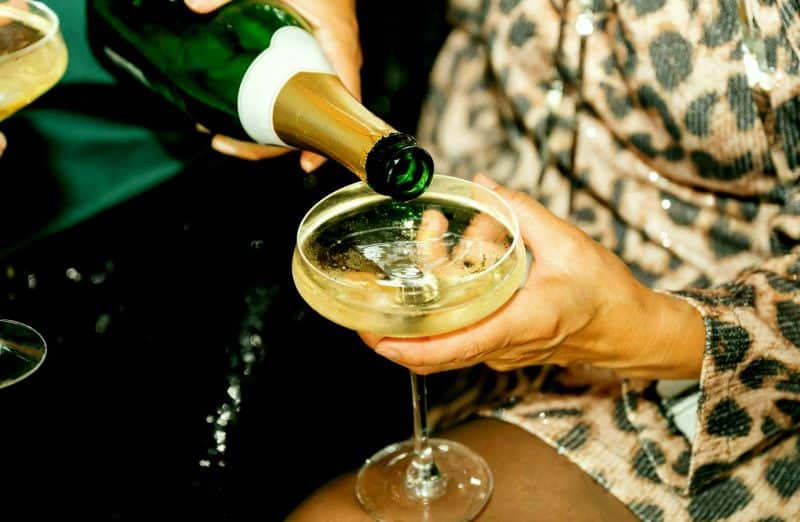
Pet-Nat is short for petillant naturel, and the proper name for the method is methode ancestrale — ancestral, because it came first, long before anyone worked out the Champagne approach. It is the older, simpler, and far less predictable way to make a wine sparkle.
The difference is all in the timing. With methode traditionnelle you ferment the wine fully, then start a second fermentation in the bottle. With Pet-Nat there is only one fermentation, and the winemaker bottles the wine before it has finished. The remaining sugar keeps fermenting inside the sealed bottle, the gas gets trapped, and that is your fizz — no added yeast, no added sugar, nothing topped up afterwards. Because the wine is usually not disgorged, the spent yeast stays put, which is why so many Pet-Nats pour cloudy. That haze is not a fault. It is the method showing its working.
For a sense of what this region does with the wild method, start with Greystone, an organic producer whose Pet-Nat is built around Riesling. Riesling is a clever choice for this style — it carries enough natural acid to stay bright through an unpredictable bottle fermentation, and it brings a faint, almost talc-like texture that suits the cloudiness.
What you tend to get is a wine with a savoury, slightly wild edge rather than a clean fruit-bomb sweetness — the cloudiness gives it a soft, chewy texture, and the acid keeps it from feeling heavy. You can taste the limestone-grown fruit underneath it, that same cool-climate cut that makes the traditional-method wines work, just dressed up in something looser and less buttoned-down. The organic farming behind Greystone’s Waipara vineyards is part of the point: low intervention in the cellar starts with low intervention in the row.
Then there is Black Estate, who make their Pet-Nat from Chenin Blanc — a grape that behaves quite differently from Riesling and gives the style another personality entirely. Chenin has a waxy, orchard-fruit quality and a firm acid backbone, and in a Pet-Nat that translates into something with more grip and a slightly savoury, cidery edge.
It is a good example of the region’s habit of doing the unexpected and making it look obvious in hindsight. Chenin Blanc is not a grape most New Zealanders go looking for, and turning it into a cloudy, unfiltered sparkling is hardly the safe commercial move — but in the glass it makes complete sense. The Black Estate cellar door sits among its own vineyards in Waipara, which makes it an easy place to taste the wine where it is grown and ask the kind of questions the label never answers.
The fastest way to understand all of this is to put a glass of each in front of you and look before you sip. The methode traditionnelle wines will be clear and bright, with a fine, persistent stream of small bubbles — that fineness is a direct result of the long, slow second fermentation. The Pet-Nat will usually be hazy, sometimes properly cloudy, with a softer, coarser, more boisterous fizz that fades faster in the glass.
The smell tells you the rest. Traditional-method wines lean toasty and savoury — think fresh bread, toasted nuts, that leesy depth from all those months on the spent yeast. Pet-Nats smell fresher and wilder, more like just-pressed fruit with a sourdough tang underneath. Neither is better. They are answers to different questions, and the only score that matters is whether you want to pour a second glass. At a cellar door, the most useful thing you can ask is simply how long the wine spent on its lees — the answer tells you almost everything about why it tastes the way it does.
If you want to taste the contrast properly, give it a full day. North Canterbury is compact enough that you can move between a traditional-method producer and a Pet-Nat maker without much driving, and the order matters less than the company and the time to talk to whoever is pouring.
Start with the patient stuff while your palate is fresh — the fine bubble and savoury depth of a Blanc de Blancs rewards attention before lunch dulls it. Save the wilder, cloudier wines for the afternoon, when a bit of haze and a savoury, chewy texture feel right. Bring a chilly bin, eat properly somewhere between stops, and treat the gravel-road detour as part of the fun rather than a chore. The wines are the reason to come, but the Waipara valley itself — the limestone outcrops, the river, the long light coming off the plains — is most of the reason you will want to come back.
A nickname is a starting point, not a verdict. What North Canterbury actually offers is the rare chance to taste the patient method and the wild one within the same afternoon, on the same limestone, and to understand exactly why each glass behaves the way it does. Once you can tell the toasty from the cloudy, you are not drinking a trend any more — you are reading the region straight from the bottle.
Sophie Renwick
Wine Adventure
4 Comments
Good call doing the McCorkindale Blanc de Blancs before lunch. Learned that the hard way – tried the traditional method stuff after a big feed and a few Pet-Nats and couldn’t taste the fine bubble at all. Order matters.
Reckon you’re spot on that the label tells you nothing. The ‘ask how long it spent on lees’ tip is the most useful thing I’ve read about cellar door visits, gonna use that.
Finally someone explains the cloudy thing without making it sound like a flaw. Did the Greystone Riesling Pet-Nat last summer and couldn’t work out if the haze was meant to be there. Makes sense now that it never gets disgorged.
The Black Estate Chenin one surprised me. Went in expecting something like the Riesling and got that waxy, almost cidery edge instead. Totally different animal.