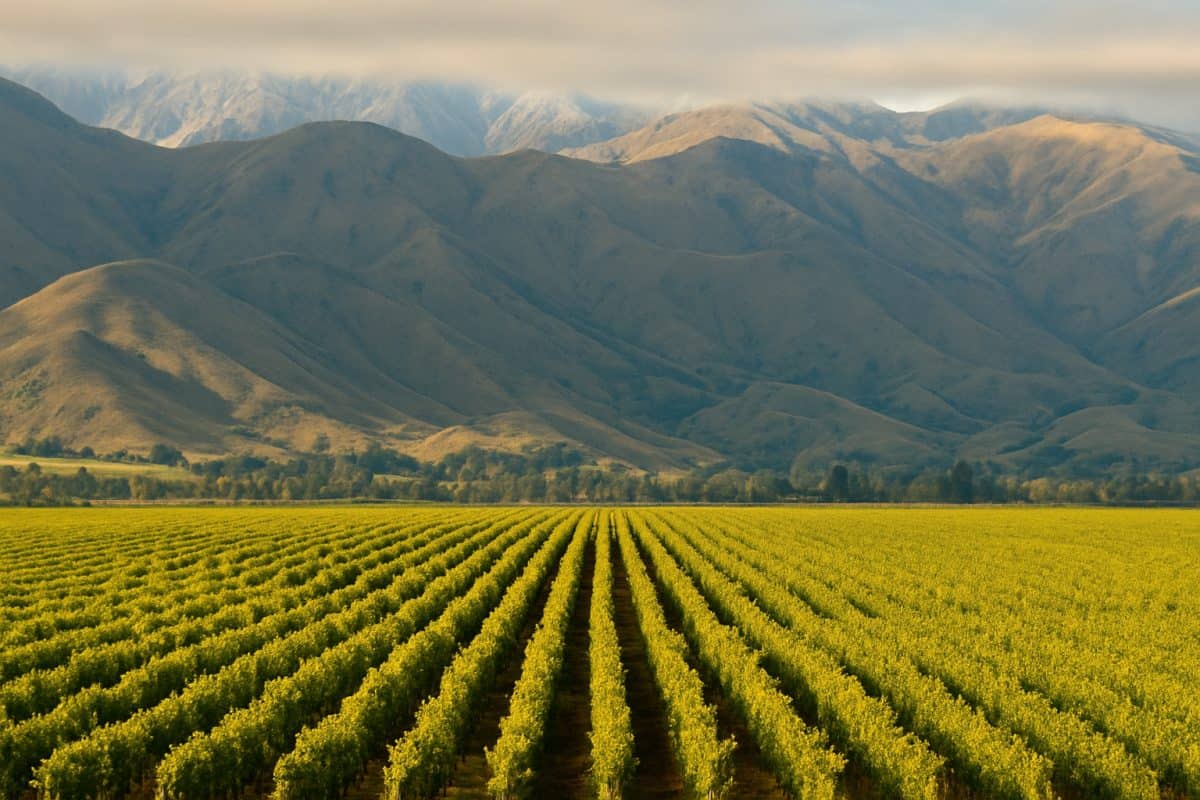
Sauvignon Blanc made Marlborough famous, but it is also the most-planted grape in North Canterbury — a fact almost nobody mentions. Up here on the limestone north of Christchurch it becomes a different wine entirely: citrusy, fragrant, stony, and far more restrained than the tropical style most New Zealanders know. This is the case for drinking Canterbury Sauvignon on its own terms.
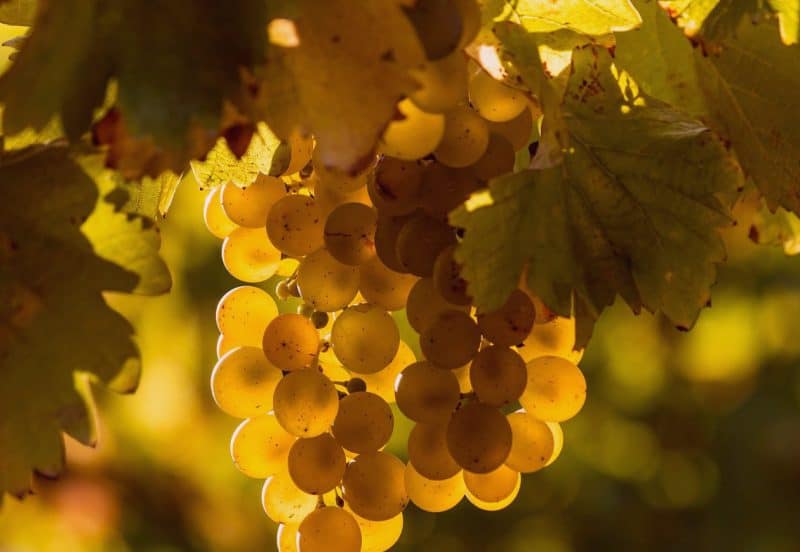
Ask most New Zealanders to name a Sauvignon Blanc region and they will say Marlborough before you finish the sentence. Yet here in North Canterbury, Sauvignon Blanc is quietly the most-planted variety by area, sitting ahead of the Pinot Noir and Riesling that get all the cellar door attention. It is the grape doing the heavy lifting in the background while the region builds its reputation on everything else.
That anonymity is partly the point. Canterbury growers did not plant Sauvignon Blanc to out-Marlborough Marlborough. They planted it because the cooler sites and limestone-influenced soils give the grape something to push against, and the wine that comes out the other side has a different accent entirely.
The first thing you notice in a glass of Canterbury Sauvignon is what is missing. The pungent, almost tropical passionfruit-and-cut-grass rush that made Marlborough famous is dialled right back. In its place sits citrus — grapefruit pith, lemon, sometimes a squeeze of lime — and a fragrant, almost floral lift on the nose.
Underneath that is a quality the locals will happily call minerality, even if winemakers argue about what the word means. It reads as a cool, stony, slightly saline line through the middle of the wine. Whether that comes from the limestone, the cooler ripening, or simply lower yields, the effect is the same: a Sauvignon that tastes of stone and citrus rather than fruit salad.
Elegant is a word that gets thrown around wine writing until it means nothing, so it is worth being specific. A Canterbury Sauvignon is more restrained than a Marlborough one — the aromatics are quieter, the texture is tighter, and the wine holds itself with more composure rather than shouting across the room.
That restraint is not the same as being thin or shy. The best examples have real intensity; they just deliver it in a narrower, more linear shape. If Marlborough Sauvignon is a wide, generous fan of flavour, the Canterbury version is a single clear line drawn from the first sip to the finish. Which one you prefer is a matter of taste, but they are genuinely not the same wine.
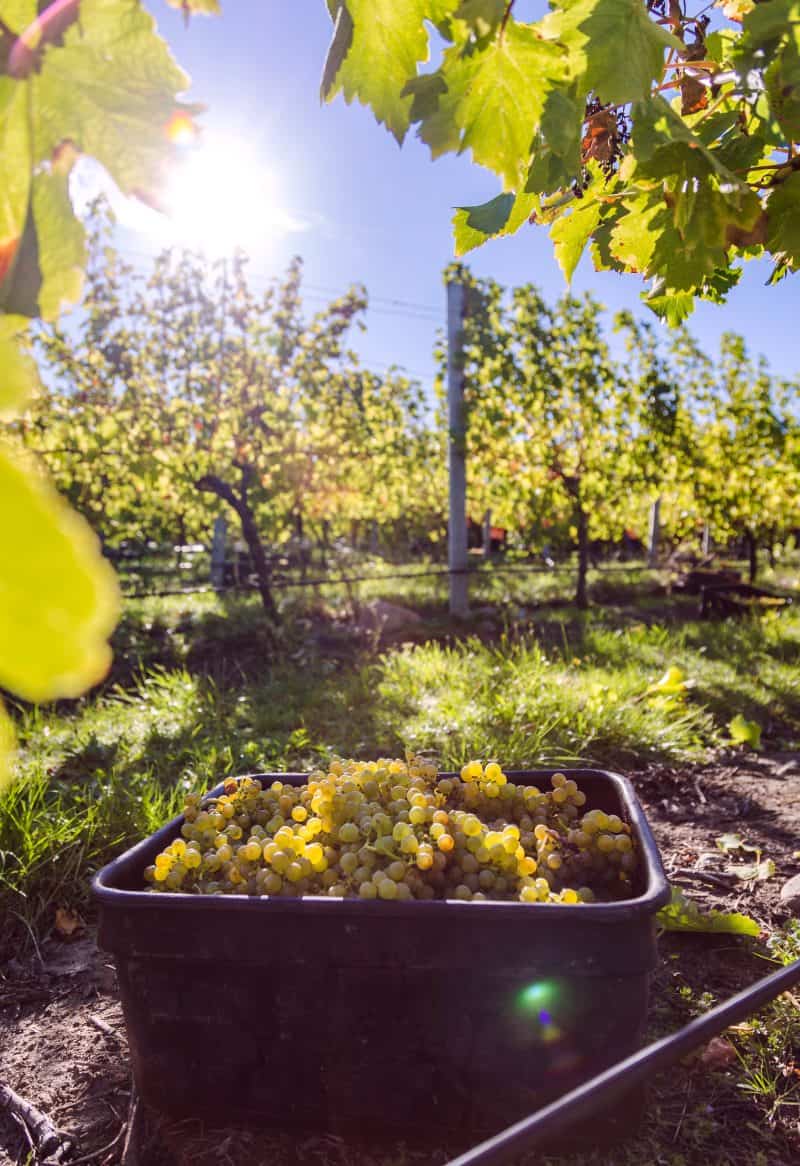
The reason Canterbury Sauvignon tastes the way it does starts in the ground. North Canterbury sits on patches of limestone and free-draining soils that are unusual in New Zealand, with calcium carbonate concentrations high enough to rival some French sites.
Limestone is the soil winemakers reach for when they want tension and length rather than sheer ripeness. It tends to give wines a tighter structure and that cool, mineral spine. Not every Canterbury vineyard is planted on it, and growers will tell you the difference between a valley-floor site and a limestone terrace is something you can taste. But where the limestone is, the Sauvignon carries it.
Canterbury ripens its grapes more slowly than the warmer, more sheltered Marlborough valleys. A longer, cooler ripening season lets the fruit hold onto acidity while the flavours develop, which is exactly the combination you want for a Sauvignon with a backbone.
The trade-off is risk. A cooler region is a more nervous region — a bad spring frost or a wet autumn matters more here than it does further north, and the growers plan around it. That marginal quality is part of why the wines taste the way they do. Grapes that have had to work a little harder to ripen tend to make wines with more line and tension than grapes that ripened easily in the sun.
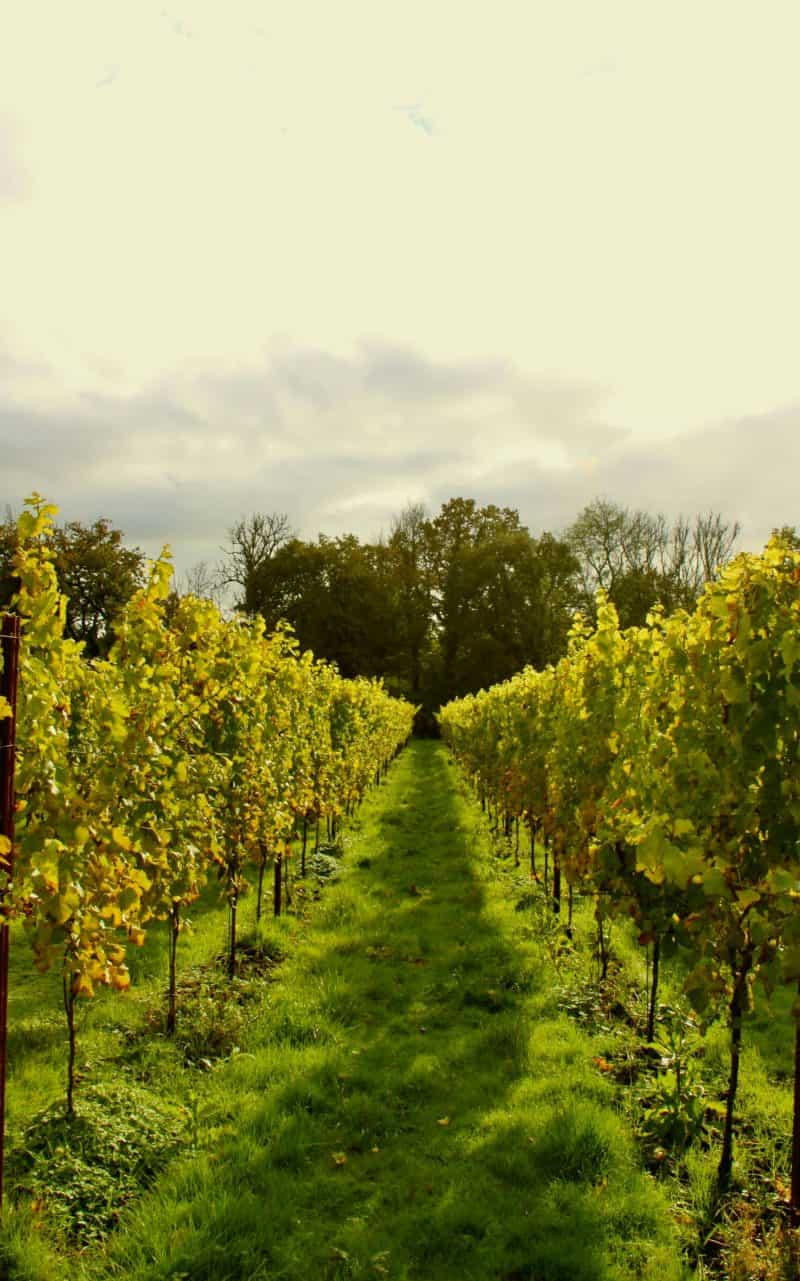
Most New Zealand Sauvignon Blanc is made the same way: pick early, ferment cold in a stainless steel tank, bottle young, and bank the bright primary aromatics. It is a recipe that works, and it is why so much Sauvignon tastes recognisably similar.
Some Canterbury producers have gone looking for something else. The most talked-about example is Greystone, in the Waipara Valley, who make a barrel-fermented Sauvignon that deliberately steps away from the tank-fermented template. Fermenting in older oak rather than steel changes the whole character of the wine — and it is the kind of distinctive, against-the-grain choice the region rewards.
Fermenting Sauvignon Blanc in barrel does two things. It softens the aromatics, trading some of that primary punch for a more savoury, textural feel, and it builds weight across the palate so the wine has more presence in the mouth.
Using multiple clones adds another layer. Different clones ripen and express the grape slightly differently, so blending them gives the winemaker a broader set of flavours and textures to work with than a single clone allows. The result at the Greystone end of the spectrum is a Sauvignon that has more in common with a serious white Burgundy in feel than with a typical New Zealand Sauvignon — savoury, textural, built to sit at a dinner table rather than a barbecue.
The standard tank-fermented Sauvignon is a brilliant aperitif and a reliable match for fresh, zingy food — a plate of oysters, a goat cheese salad, anything that likes a hit of acid. It does that job better than almost any wine in the country.
The barrel-fermented, textural style asks for different company. Its weight and savoury edge stand up to richer plates — a roast chicken, a creamy pasta, a piece of grilled fish with some heft to it. It is the Sauvignon you pour when you want the wine to be part of the meal rather than a sharp note before it. Having both styles coming out of the same small region is, frankly, one of the more interesting things about drinking Canterbury wine right now.
The fastest way to understand Canterbury Sauvignon is to pour it next to a Marlborough one and taste them side by side. Done blind, the difference is unmistakable: the Marlborough leaps out of the glass with tropical fruit, while the Canterbury holds back, leading with citrus and stone.
This is the only place Marlborough belongs in the conversation — as a reference point, not a benchmark to be beaten. Canterbury is not making a quieter copy of a louder wine. It is making a genuinely different expression of the same grape, shaped by colder air and harder ground, and the side-by-side is simply the clearest way to show that to yourself.
If you are heading up to the Waipara Valley to taste, a few questions will get you a long way. Ask whether the Sauvignon was tank-fermented or saw any barrel — the answer tells you immediately which style you are about to taste. Ask about the soils the fruit came from, because the limestone sites really do show differently in the glass.
And taste with an open mind. A barrel-fermented Sauvignon will not give you the instant hit of a classic example, and it is not supposed to. Give it a minute, let it open up, and notice the texture as much as the flavour. The reward for forty minutes on a gravel road to a Waipara cellar door is a wine that tastes of exactly where it came from — which is rather the whole point of going.
Canterbury Sauvignon will probably never get the recognition Marlborough does, and the growers up here seem entirely at peace with that. They are making a quieter, more linear wine because the cold air and the limestone ask for it, not because they are chasing anyone. Pour one next to the version you already know, and the point makes itself.
Sophie Renwick
Wine Adventure
4 Comments
Good piece but I reckon you’re being a bit kind about the frost risk. We lost a fair chunk of a block a couple of springs back. The cooler-site wines are lovely when it works, just don’t pretend it’s an easy place to grow.
Finally someone says it. I’ve poured a Waipara Sauvignon next to a Marlborough at a dinner party and people genuinely couldn’t believe they were the same grape. The grapefruit pith thing is exactly right.
Tried the Greystone barrel-fermented one for the first time last month and it threw me completely. Was expecting the usual tank style and got something way more savoury. Took half a glass to come round to it, then couldn’t stop.
Chur, the bit about asking whether it saw barrel at the cellar door is solid advice. Saves you that moment of standing there pretending you know what you’re tasting.