
Canterbury wine country does not sit still. The same vineyard that stood bare and frost-bitten in July will be buried in green canopy by January, heavy with fruit by March, and turning gold by May. Each season brings a different landscape, a different cellar door mood, and a different reason to make the drive north from Christchurch.
This is not a list of events. It is a guide to what is actually happening in the vineyards and wineries month by month — the pruning, the bud burst, the harvest rush, the quiet autumn wind-down — so you can time your visit to the experience you want rather than just the weather you hope for.

Most people plan a Canterbury wine trip around a free Saturday and a weather forecast. Fair enough. But the region runs on a deeper clock than that, and knowing where the vines are in their annual cycle turns a pleasant afternoon of tasting into something you actually remember.
Canterbury wine country changes character with each season. Not just the obvious stuff — leaves on, leaves off — but the mood of the place, the wines available to taste, the number of people sharing the tasting bar, and whether the person pouring your glass is relaxed or quietly calculating how many picking days are left before the weather turns.
The difference between visiting Waipara in January and visiting in April is not just temperature. It is the difference between tasting last year’s releases in a busy room and standing in a winery that smells of fresh juice while the winemaker explains what the fruit looked like that morning. Neither is wrong. Both are worth doing. But they are not the same experience, and most wine trail guides treat them as if they are. The North Canterbury Winegrowers site lists member producers and opening hours, but the seasonal story behind those hours is what this guide is for.
This is not a calendar of events — you can find those on council websites. This is a guide to what is actually happening in the vineyards and cellars month by month, so you can match your visit to the experience you want.
Canterbury sits at the cool end of New Zealand’s winemaking spectrum. That single fact shapes everything — the varieties planted, the style of wine produced, and the rhythm of the growing season. Where Hawke’s Bay basks, Canterbury calculates. Where Marlborough relies on reliable sunshine, Canterbury works with wide swings between daytime warmth and overnight cold that slow ripening and build the acid structure that gives the region’s best wines their tension.
For visitors, the cool climate means the seasons here are more distinct than in warmer wine regions. There is no blurring of autumn into a mild winter, no early spring that feels like summer. Canterbury’s vineyard calendar has clear chapters, and each one looks and feels genuinely different from the last.
It also means the welcome tends to be warmer than the weather. Canterbury producers know their region is not the first place most people think of for wine. They have spent years convincing visitors that the drive north from Christchurch — barely forty minutes to the Waipara Valley — is worth making. That effort has produced a cellar door culture that is generous, unhurried, and surprisingly personal. You will not queue behind a tour bus here. You might, however, end up sitting at a kitchen table while someone explains why they planted Gruner Veltliner on a north-facing slope that everyone else said was too exposed.
Drive through Waipara in July and the vineyards look abandoned. Rows of bare canes, stripped of every leaf, standing in cold mud under a sky the colour of wet concrete. It is not picturesque in the conventional sense. But if you know what you are looking at, it is one of the most revealing times to see a vineyard.
Pruning is where the vintage starts, even though harvest is eight months away. Every cut a pruner makes is a decision about yield, quality, and risk. Leave too many buds and the vine spreads its energy thin — more bunches, less concentration. Cut too hard and the vine compensates with excessive shoot growth that creates its own problems. The best Canterbury growers prune with a precision that borders on philosophy. They are editing the vine down to what they want it to say.
Winter is also blending season in the winery. While the vineyard sleeps, the winemaker is tasting barrel samples, making decisions about which batches to combine, and finalising wines that will be bottled in spring. If you visit a cellar door in winter and the winemaker is pouring, ask what they are working on. The answer is usually more interesting than anything on the tasting menu.
The air is sharp, the hills behind the valley carry snow, and there is nobody else on the road. Winter in Canterbury wine country is an acquired taste. But then, so is good Riesling.
Here is the practical truth about winter visiting: not every cellar door stays open. Some producers drop to weekend-only hours from June. A few close entirely until September. The larger operations — Pegasus Bay, Black Estate, Greystone — generally keep regular hours year-round, but it is worth checking before you drive.
What you lose in spontaneity you gain in access. A winter cellar door visit is almost always quieter, and quiet means the person behind the counter has time. Time to explain why the 2024 Pinot Noir is structured differently from the 2023. Time to open something that is not on the standard tasting list. Time to answer the question you were too self-conscious to ask during a busy summer Saturday.
Some producers offer winter-specific tastings — library wines, barrel samples, or vertical flights that would be impractical when twenty people are waiting. These are rarely advertised. They happen because you turned up, showed genuine interest, and the winemaker had nothing more pressing to do than share a bottle they have been thinking about.
Dress warm. The tasting rooms are heated but the walk from the car park is not, and Canterbury’s winter wind has a directness to it that no amount of optimism can deflect. Bring a coat, book a lunch at one of the vineyard restaurants, and treat the whole thing as a slower, more deliberate version of the summer experience.
Spring in Canterbury wine country is beautiful and nerve-wracking in roughly equal measure. The first signs arrive in September — a faint green blush along the cane where buds are beginning to swell. By October, bud burst transforms the bare rows into something alive again, each vine pushing out pale shoots that uncurl like slow-motion fireworks.
But those tender new shoots are desperately vulnerable. Canterbury’s spring frosts are not gentle. A single night below minus two degrees can burn emerging buds and wipe out a significant portion of the crop before it has properly started. Drive past a Waipara vineyard on a frosty October morning and you will hear the frost fans — tall, helicopter-like blades mounted on poles — churning warm air down onto the vines. It sounds industrial and looks faintly absurd, but it works, mostly.
Growers who cannot afford frost fans use other methods. Some run sprinklers to coat the buds in a protective layer of ice — counterintuitive until you learn that the freezing process releases just enough heat to keep the tissue alive beneath. Others light bales of hay between the rows, creating a smoke blanket that traps ground warmth. The vineyard at dawn on a frost morning is an oddly dramatic place.
This is the season that shapes the vintage more than most visitors realise. A clean spring with no frost damage sets the stage for a generous harvest. A rough one means the winemaker spends the rest of the year managing reduced fruit, which can be a curse or a gift depending on who you ask.
Spring is bottle day for many Canterbury producers. The whites and roses from the previous harvest — varieties that NZ Wine lists among Canterbury’s regional strengths — fermented, settled, and filtered through winter — start appearing on tasting lists from September onwards. It is the moment when the previous vintage stops being a winemaker’s private project and becomes something you can actually drink.
For the dedicated taster, spring is one of the best times to visit. The new releases are fresh and often still settling into themselves, which makes tasting them genuinely interesting rather than just pleasant. A Riesling bottled three weeks ago will taste different from the same wine six months later — tighter, more angular, with a minerality that sometimes softens as the wine rests. Tasting young wines is like reading a first draft. The ideas are all there but the polish has not arrived yet.
Several Waipara and North Canterbury producers hold spring release events — informal afternoons where you can taste new wines alongside the winemaker who made them. These tend to be small-scale and announced on mailing lists rather than social media. Signing up for a few producer newsletters before your visit pays off.
The landscape helps too. Canterbury in October is impossibly green after the winter rain, the hills behind the valley are still carrying the last of their snow, and the nor’wester has not yet started its summer campaign of hot, dry harassment. The light is clean, the air is cool, and the wine is young. There are worse combinations.
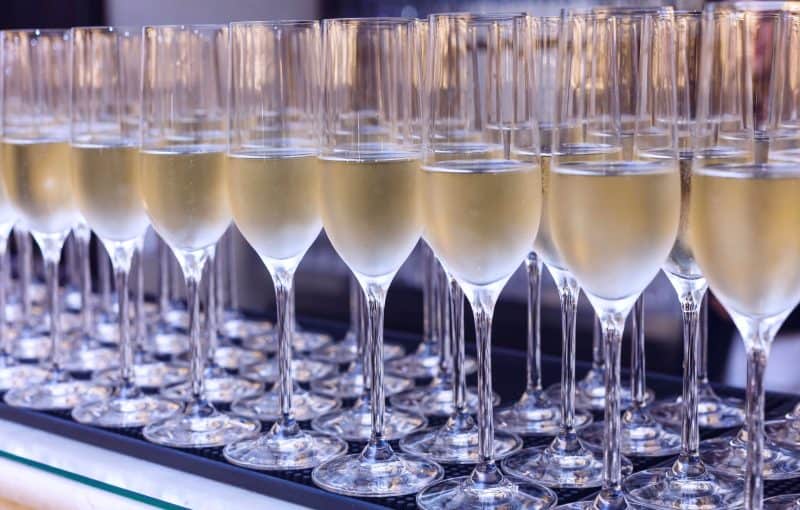
Summer weekends in Waipara follow a predictable pattern. By eleven o’clock the car parks at the bigger cellar doors are filling up with Christchurch day-trippers, tour vans, and the occasional confused campervan that took a wrong turn off State Highway One. By midday, you are sharing a tasting counter with strangers and the person pouring has perfected the art of the efficient smile.
None of this is unpleasant — it is wine country working the way wine country should. But if you want the unhurried, conversational experience that Canterbury does best, timing matters more in summer than in any other season.
Weekdays are the obvious answer, but not everyone can manage a Tuesday cellar door crawl. If you are stuck with a Saturday, go early. Most tasting rooms open at ten or half past, and the first hour is reliably quiet. Alternatively, skip the big names entirely and visit the smaller producers who rarely see crowds regardless of the day. Canterbury has enough boutique operations — places making a few hundred cases from a single vineyard — that you could fill a summer’s worth of weekends without repeating yourself.
The other strategy is to head slightly further afield. The Waipara Valley gets most of the attention, but producers scattered across the wider Canterbury Plains and Banks Peninsula offer tasting experiences without the traffic. The drive is longer. The wine is no less interesting.
If you visit a Canterbury vineyard in January or February, look closely at the grape bunches. You might catch veraison — the moment when green, hard berries start changing colour. Pinot Noir grapes shift from pale green to a dusty purple, one berry at a time within each bunch, so that a single cluster can hold three colours simultaneously. It looks like the vine is making up its mind.
Veraison signals the start of ripening proper. From this point the sugars accumulate, the acids begin their slow decline, and the flavour compounds that will define the finished wine start developing in the skins. For the grower, it is also the moment when canopy management becomes critical. Too much leaf shading the fruit slows ripening and can encourage disease. Too little exposes the grapes to Canterbury’s surprisingly fierce summer sun and risks sunburn — yes, grapes get sunburnt, and it tastes exactly as unpleasant as it sounds.
Walk along a vineyard row in midsummer and you will see the evidence of this balancing act: carefully positioned leaves creating dappled light on the fruit, shoot tips trimmed to stop the vine wasting energy on growth it does not need. It is gardening on an agricultural scale, repeated vine by vine across every block.
From the cellar door terrace, the summer vineyard looks effortlessly lush. The reality is more like controlled chaos — every green row the result of daily decisions about water, light, and intervention. The wine in your glass started here, in the heat, with someone’s hands in the canopy.
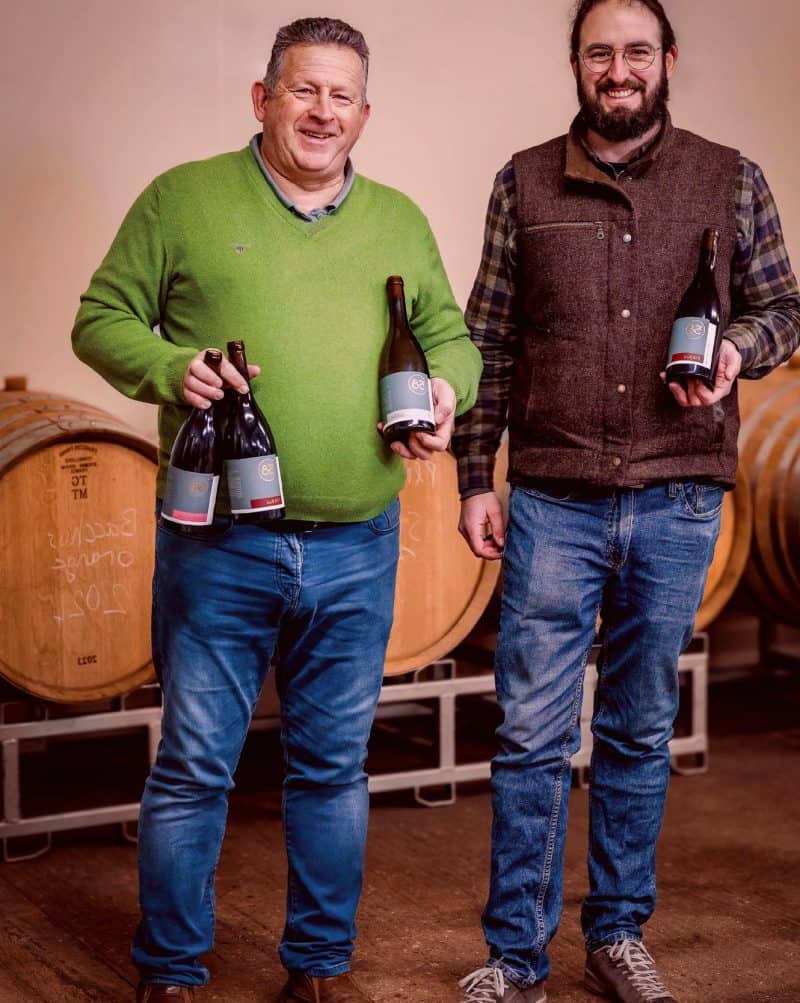
You smell harvest before you see it. Drive into a Canterbury wine district during March or April and there is a sweetness in the air — not floral, not exactly fruity, but thick and unmistakable. It is the smell of tonnes of grapes being crushed, pressed, and pumped into tanks, and it hangs over the valley like a weather system.
Harvest is the most electric time in wine country. The winery buildings that sat quiet for most of the year are suddenly loud with pumps, forklifts, and conversation at volume. Picking crews work the rows in the early morning, before the day’s heat softens the fruit. Bins of grapes arrive at the crush pad on the back of tractors and utes, sometimes still cold with overnight dew. The sorting table runs constantly — hands flicking out leaves, damaged berries, the occasional confused insect.
Visiting during vintage is not always convenient. Winemakers are busy, sometimes operating on four hours of sleep and strong coffee, and cellar door staff may be pressed into winery duties. Some producers close their tasting rooms entirely during the picking window. Others stay open but with the understanding that things are happening around you — a forklift might reverse past the tasting bar, or your host might excuse themselves mid-sentence to check a fermentation temperature.
This is the trade-off, and it is worth it. There is no other time when the connection between vineyard and glass is so visible. You can taste last year’s wine while watching this year’s arrive at the winery door.
After the urgency of harvest, Canterbury wine country exhales. April and May bring a slowness to the region that feels earned rather than empty. The vines, having given up their fruit, begin their own retreat — leaves turning gold, then copper, then a deep rust-red that photographs beautifully against the grey limestone hills.
Autumn in the Waipara Valley is the season the postcards do not show, which is odd because it is arguably the most photogenic. The light drops lower, casting the terraces and river flats in a warmth that the landscape does not naturally possess. Morning fog sits in the valley floor and burns off by ten, leaving behind a clarity that makes the Southern Alps look close enough to touch.
At the cellar doors, the pace has slowed to something approaching contemplative. The summer crowds have gone. The harvest wines are fermenting quietly in tanks and barrels, and the winemaker’s attention is turning inward — monitoring, tasting, waiting. The tasting list often features the last of a vintage that will not be made again, bottles that have been open-and-pouring since spring and are now down to their final cases.
There is a particular pleasure in visiting a vineyard when it is winding down. The urgency is gone. The year’s work is done, or at least the part that happens outdoors. The conversations are longer, the pours slightly more generous, and the whole region has the feeling of a story reaching its final chapter before the cycle starts again with the first frost and the first cut of the pruning shears.
Canterbury wine country rewards the visitor who pays attention to timing. A January afternoon on a cellar door terrace is a fine thing, but so is a July morning watching a pruner work a row of Pinot Noir with the precision of a surgeon. The best visit is the one that matches what you want to experience with what the vines are actually doing.
The vineyard calendar does not pause or repeat itself exactly. Every season is shaped by the one before it, and every vintage carries the memory of its particular spring frosts, summer heat, and autumn rain. Visit once and you will see a snapshot. Visit across the seasons and you will start to understand why Canterbury’s winemakers talk about their region the way they do — with a mixture of pride, caution, and the quiet confidence of people who have chosen the harder path and made it work.
Sophie Renwick
Wine Adventure
Leave a comment