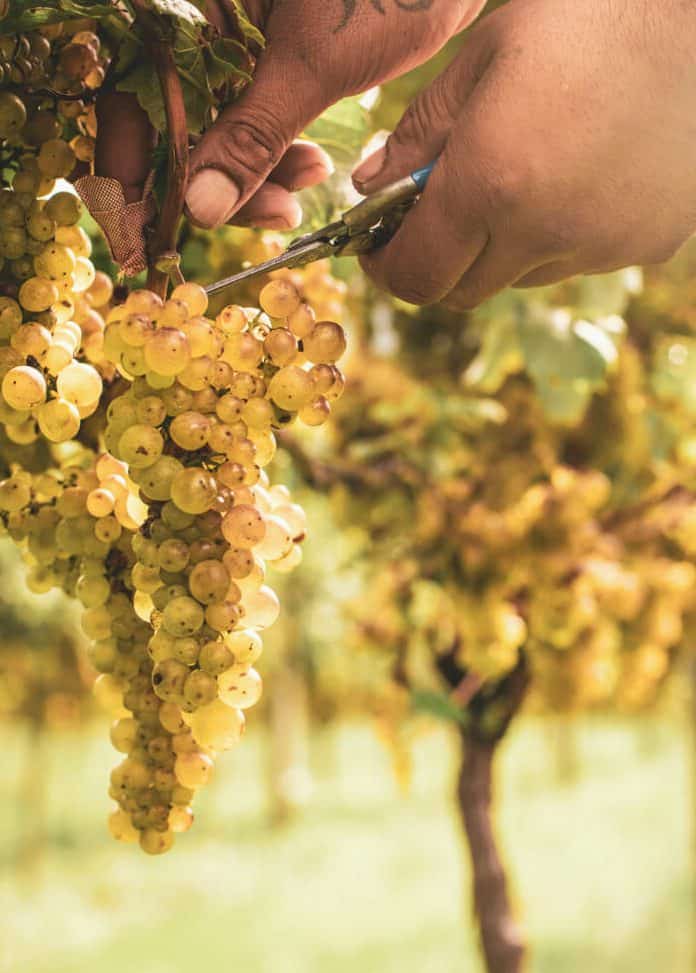
Canterbury gets famous for two grapes, and Chardonnay is neither of them. While Pinot Noir takes the prestige and Riesling flies the regional flag, the same limestone soils and cool, patient climate quietly turn out Chardonnay worth crossing town for. Here is the case for the wine nobody drives north to taste.
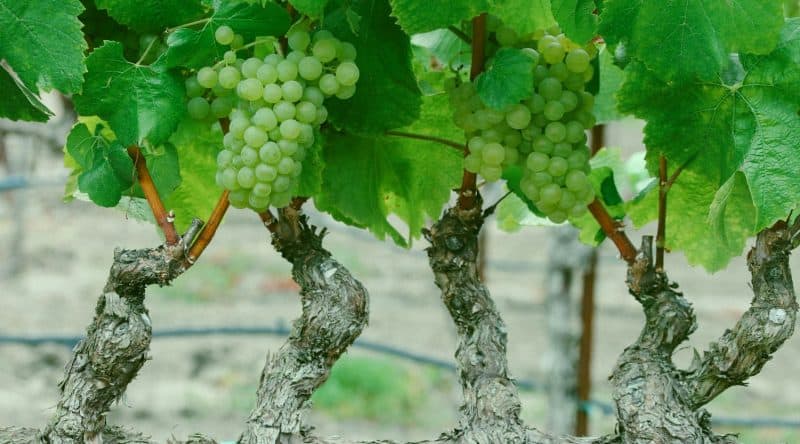
Walk into any conversation about North Canterbury wine and two grapes do all the talking. Pinot Noir gets the prestige, the price tags, and the knowing nods. Riesling gets the local-hero treatment, the one variety everyone agrees Waipara does as well as anywhere in the country. Both deserve it. But stand at a cellar door long enough and you start to notice the wine that keeps getting poured between them, almost as an afterthought, and almost always good.
Chardonnay is Canterbury’s quiet achiever. It does not have Riesling’s regional flag to wave, and it lacks the romance that has attached itself to Pinot over the last twenty years. Nobody drives the gravel roads north of Christchurch with a Chardonnay pilgrimage in mind. Yet the same producers who made the region’s name with those two grapes have been making seriously good Chardonnay the whole time, and most visitors taste straight past it on the way to the reds.
The reason comes down to patience, mostly the grape’s and the climate’s. Chardonnay is famously adaptable, which is a polite way of saying it tastes like wherever you grow it. Plant it somewhere warm and it ripens fast, piling on sugar and tropical fruit while the acidity falls away. The result can be generous, but it can also be flabby, the wine equivalent of a day that got too hot too quickly.
Canterbury does the opposite. The cool climate and a long, drawn-out growing season let the fruit ripen slowly, which keeps the natural acidity intact and gives the wine its spine. You get restraint instead of richness for its own sake, structure instead of sprawl. This is the same logic that makes the region work for Pinot Noir and Riesling, and it applies just as neatly to Chardonnay. North Canterbury Chardonnay is not a happy accident or a side project. It is a genuine strength of a recognised North Canterbury wine region that happens to keep quiet about itself.
Dig into why the best Canterbury Chardonnay tastes the way it does and you end up, fairly quickly, underground. A band of limestone runs beneath the region’s most prized sites, surfacing here and there as the pale outcrops you can spot above the limestone country of the Waipara Valley and out toward Waikari. It is not the whole story of the soil, but it is the part that shows up in the glass.
Limestone-derived soils tend to give wine a particular sort of tension, a chalky, mineral cut that sits underneath the fruit. Growers around Omihi and Waikari talk about it the way they talk about the weather, as a fact of the place rather than a marketing line. You do not need to become a soil scientist to taste it, but knowing the limestone is there changes how you read the wine. The flinty edge in your glass started as rock, and the region’s better Chardonnay carries it like a signature.
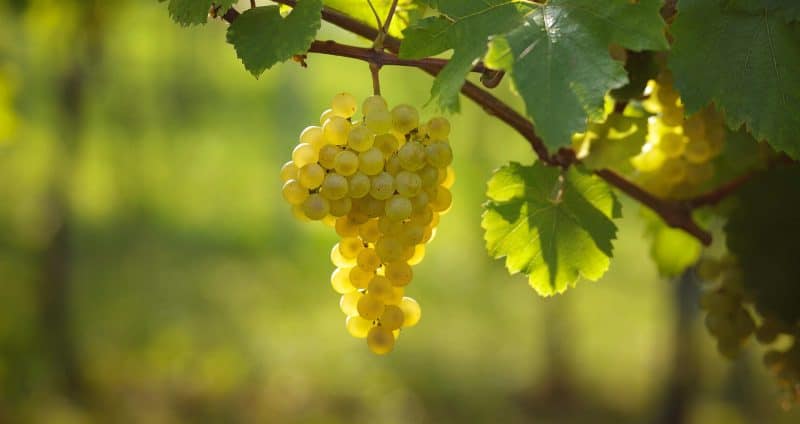
Pour a good Canterbury Chardonnay and the first thing you notice is what is missing. There is no wall of pineapple, no buttery, tropical heft. What is there instead is brighter and tighter: lemon, grapefruit, sometimes the green-citrus snap of a lime. The fruit sits in the white-stone-fruit register rather than the golden, sun-soaked one, so think white peach and nectarine rather than mango.
That citrus-and-stone-fruit profile is the everyday character of the region’s Chardonnay, the part you can rely on across producers. It is not showy and it does not need to be. A wine like this rewards a second sniff and a slower sip, the flavours arriving in order rather than all at once. If you have only ever met Chardonnay in its fuller, oakier form, the first Canterbury example can read as almost austere. Give it a minute. The restraint is the point.
The thing that turns a pleasant Canterbury Chardonnay into a memorable one is the bit that has nothing to do with fruit at all. Underneath the citrus runs a flinty, struck-match minerality, a faintly chalky, savoury edge that pulls the wine taut. This is the limestone making itself known, and it is the single feature that most clearly marks the region’s Chardonnay as its own thing.
It also explains the winemaking you tend to find here. Where a warmer region might bury the fruit under new oak and lashings of buttery malolactic character, Canterbury’s better winemakers mostly get out of the way. Oak is used as seasoning rather than a main ingredient, lees work adds texture without smothering, and the mineral line is allowed to carry the wine. Set a Canterbury Chardonnay next to a fuller Marlborough or an Australian example and the contrast is immediate. One fills the room; the other clears its throat and makes a quieter, more precise point.
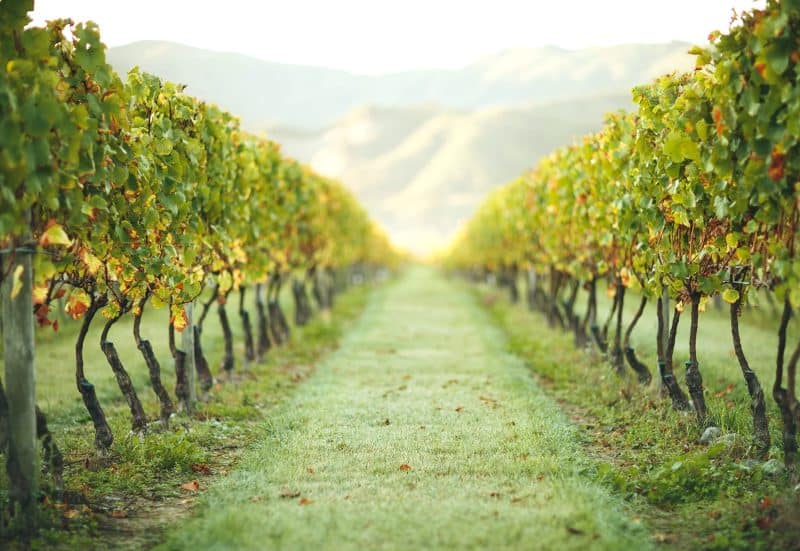
If you want a single bottle to make the case, Greystone is a fair place to start. Their vineyard sits at Omihi, on the limestone-laced country that gives Waipara its best fruit, and the whole operation is certified organic with BioGro. The Chardonnay is treated as a flagship, and it shows in the wine: precise, mineral, and built around restraint rather than power.
What makes Greystone interesting is not that it is organic, though that matters. It is that the organic farming and the site seem to pull in the same direction, toward a wine that tastes unmistakably of where it comes from. There is citrus and white stone fruit, sure, but it is the cut of minerality running through the middle that lingers. This is a producer doing something distinctive on purpose, and the Chardonnay is one of the clearest expressions of it.
A short drive away, Black Estate is chasing a similar idea from a slightly different angle. Where some producers treat the soil as a starting point to be shaped, Black Estate leans into it, making Chardonnay that is about as limestone-expressive as the region gets. The wines are built to let the site speak, even when the site has something prickly and savoury to say.
That commitment shows in glasses that can feel almost stern on first taste, all line and tension before the fruit fills in around it. It is not a style designed to win over a crowd in one sip, and it is better for that. Tasting Greystone and Black Estate back to back is one of the more instructive things you can do in Waipara, two thoughtful takes on the same band of rock, neither of them content to make Chardonnay that could have come from anywhere.
For all that shared geology, Canterbury Chardonnay is not a single house style, and a couple more names make the range clear. Pegasus Bay is one of the region’s long-established producers, and its Chardonnay tends toward the more generous end of the local spectrum, with a bit more flesh on the bones while keeping the acidity that marks the region. It is a useful counterweight to the leaner examples, proof that restraint here is a choice rather than a limitation.
At the other end sits Pyramid Valley, out at Waikari, where the approach is deliberately restrained, almost village-Burgundy in its understatement. The farming is biodynamic and the focus is on site above all else. One important caveat: Pyramid Valley works by appointment, so it is not a place to drop in on spec during a weekend drive. Plan ahead, or admire the wines from a bottle you have tracked down elsewhere. Between Pegasus Bay’s generosity and Pyramid Valley’s reserve, you have most of the stylistic ground a small region could hope to cover.
The good news is that tasting your way into Canterbury Chardonnay does not take any special knowledge, just a couple of questions and a bit of curiosity. When the wine is poured, ask about the site, and specifically about the soil. Anyone pouring a serious Waipara Chardonnay will happily talk limestone, and once you know to listen for the mineral edge it is hard to unhear. Ask how much oak the wine has seen, too. The answer tells you a lot about the style before you have even swirled the glass.
The other trick is to taste the Chardonnay against the company it keeps. Most cellar doors will be pouring Pinot Noir and Riesling, the wines you probably came for, so use them as reference points. Notice how the Chardonnay shares that taut, mineral backbone with the Riesling while doing something completely different with it. A few practical notes: check opening hours before you set out, since smaller producers keep their own schedules, and remember that some of the most interesting names work by appointment only. Pyramid Valley is the obvious example, so do not turn up at the gate expecting a tasting room.
Here is the quiet argument this whole article has been making. The next time you are standing at a Waipara cellar door, reaching past the Chardonnay on your way to the Pinot, stop and pour yourself a glass first. You already trust the region with your reds and your Riesling. The same hands, the same limestone, and the same cool, patient climate are at work in the white, and they are making something that deserves more than a polite nod on the way through.
It will not announce itself. That is rather the point of a quiet achiever. But spend a little time with a Greystone or a Black Estate, taste the citrus give way to that flinty, mineral line, and you start to wonder why this wine has spent so long in the shadow of its neighbours. Canterbury Chardonnay is not waiting to be discovered, exactly. It has been here the whole time, getting on with it, hoping someone would finally look down at the glass in their other hand.
The wine that hides between the Pinot and the Riesling at a Waipara cellar door is doing some of the region’s most honest work, and it asks for nothing in return. Pour the Chardonnay before you reach past it next time. The limestone is in the glass either way; it just helps to be looking down when it arrives.
Sophie Renwick
Wine Adventure
4 Comments
I’ve always been a bit of a Chardonnay sceptic after one too many oaky ones years ago, so I almost skipped past it like you describe. Tasted a Waipara one next to the Riesling on the same flight a few weeks back and that flinty thing you mention finally clicked, they really do share a backbone. Converted now, which I did not see coming.
Did the Greystone and Black Estate back to back thing on a whim last spring and you’re dead right, it’s the best way to get your head around the limestone. The Black Estate was a lot more austere than I expected, took me half the glass to come round to it.
Good to know about Pyramid Valley being appointment only, would’ve been gutted to drive out to Waikari and find the gate shut. Anyone know how far ahead you need to book?
We left it about a fortnight and that was plenty. Worth the effort, it’s not your usual cellar door experience.